About the destination
Tokyo is best explored one district at a time, since each area can feel like a completely different city. Its excellent train network makes it easy to move between the historic, modern and quieter sides of the capital in a single day.
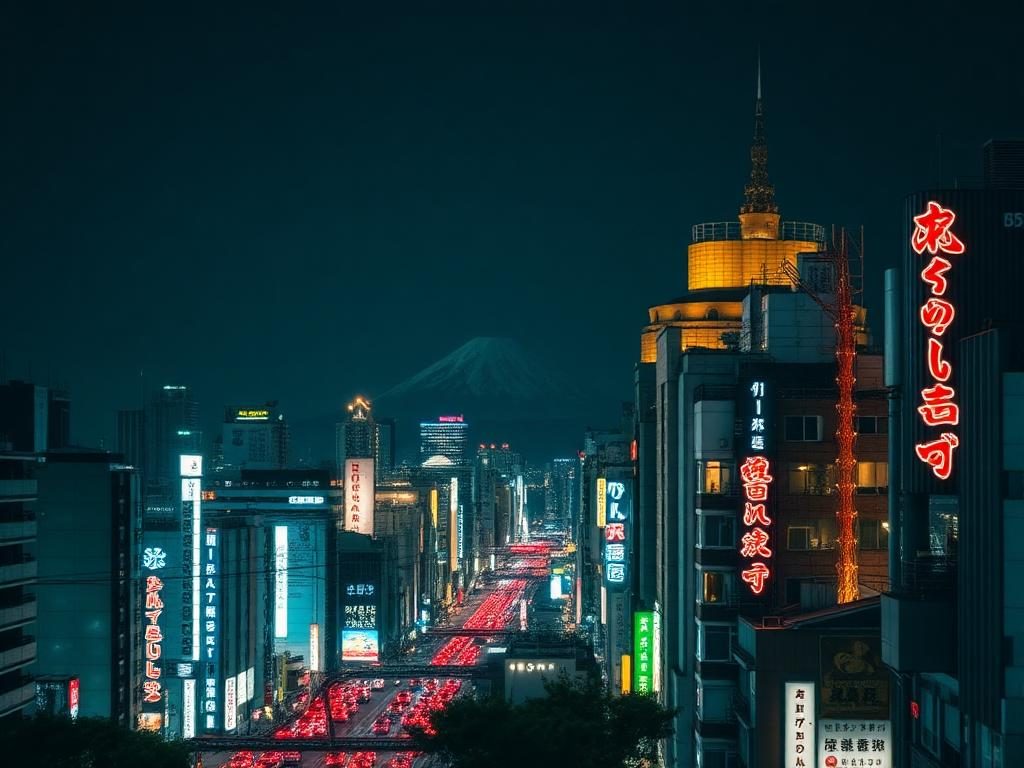
Neighbourhoods like Shinjuku and Shibuya show Tokyo's fast-paced, neon-lit energy, while areas such as Yanaka and Asakusa preserve a much quieter, older atmosphere.
Meals here are an experience in themselves, from tiny standing-room ramen counters to multi-course dinners, and it's worth leaving room in the schedule to simply follow your appetite.
Why go?
- 01An extremely efficient and easy-to-use train network
- 02A striking contrast between traditional and ultra-modern
- 03Exceptional food at every price point
- 04Neighbourhoods that each have a distinct personality
When to visit
Spring brings cherry blossoms and mild weather, while autumn offers colourful foliage and comfortable temperatures. Summer is hot and humid, and winter is cold but generally dry and clear.
Where to stay
Shinjuku
A good all-round base with excellent train connections and a huge choice of restaurants.
Asakusa
Closer to Tokyo's older, more traditional side and the Senso-ji temple.
Shibuya
Ideal for nightlife, shopping and experiencing the city's fast pace firsthand.
What to see
- 01Senso-ji temple and the streets of Asakusa
- 02The Shibuya crossing and surrounding shopping streets
- 03Meiji Shrine and the greenery around Harajuku
- 04Tokyo Skytree and views over the city
- 05The Tsukiji outer market for fresh food
Travel planning tips
- 01Get a rechargeable transport card as soon as you arrive
- 02Carry cash, since some smaller places don't accept cards
- 03Learn a few basic Japanese phrases - it goes a long way
- 04Avoid the busiest commuter train times if travelling with luggage
Who it suits best
First-time visitors to Japan, food lovers, design and culture enthusiasts, and solo travellers.